
Get our FREE
Wellbeing Guide!
What's friendship to you?
Listen or read.
Illustrations included below.
You arrive on your life’s journey, at your second milestone of what the ‘Book of Life’ tells us each should be. And what should happen at each one.
The milestone we’re looking at here, is friendship relationships.
So what’s a friend to you?
This question has been inspired by friends and friendships, whether shaky or stable.
So, share our glasses and take a seat for a moment, if you’re not already sitting.
Because what I’m about to share might make you feel uncomfortable.
Know this is not the intention. Simply a space for reasoning and reflection ok.
Now. Consider these presuppositions in Neuro Linguistic Programming or NLP for short. This translates to ‘brain language programming’.
Because our brains have been programmed since birth, whether we like it or not. And presuppositions help keep us grounded.
So let’s review some.
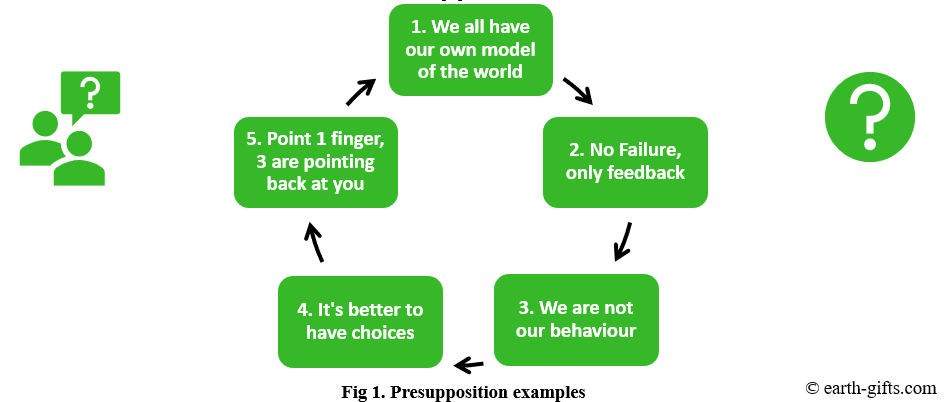
We all have our own model of the world
Based on nature or nurture, we create an internal model to navigate and interpret our way through the world. Let’s remember and respect that, even when we don’t agree with someone else’s model.
No Failure, only feedback
Feeling like we’ve ‘failed’ hurts! And if we re assess the situation after the hurt, there’s always a different perspective, giving feedback on how we can do something different next time. If we choose to.
We are not our behaviour
Behaving a certain way, in a given situation doesn’t make us that particular behaviour. And when we separate a person from their behaviour, it helps us cut each other some slack. Goodness knows we need it!
It's better to have choices
We always have a choice. Do what we’ve always done, and get what we’ve always got. Or make a different choice, for a different result. This helps us make decisions and gives us freedom of movement.
When you point 1 finger at others, 3 are pointing back at you
This is more a reminder to notice when we’re pointing a finger and blaming others. If you can, be honest when considering those 3 fingers. Because focusing on your Self, is more within your control, than focusing on controlling others.
Alright, let’s define our ‘friend’ behaviours.
Because similar to ‘family’, the word carries so much weight and expectations doesn’t it. Along with disappointments and drama because of these expectations!
Only, friends are people we choose.
And some friends come with more problem behaviours, others come with peaceful behaviours. Let’s take a look.
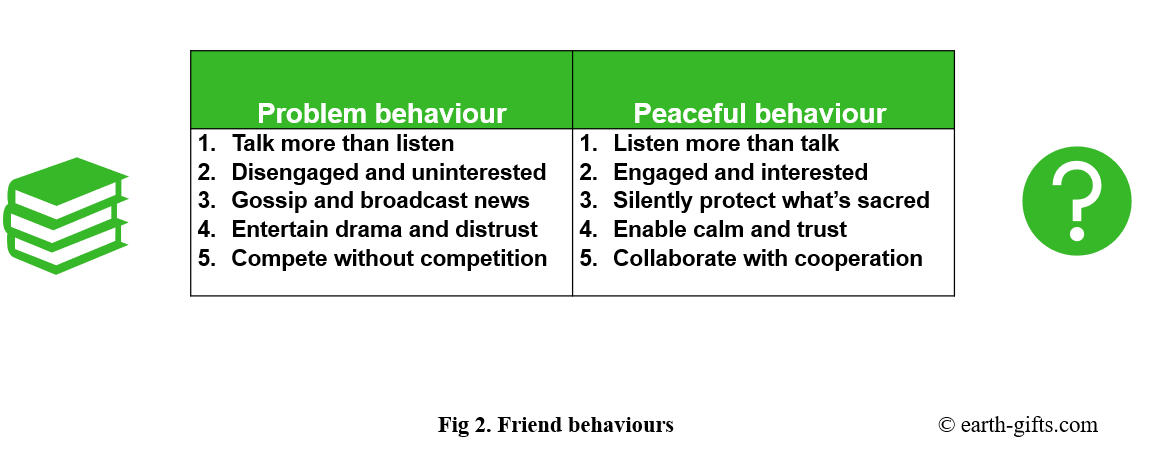
What are these behaviours?
Problem behaviours include where they:
1. Talk more than listen – They’re desire to be heard is so strong that they dominate conversations.
2. Disengaged and uninterested – They show little to no interest in you. Just what they can take from you.
3. Gossip and broadcast news –They gossip about you, sharing what they do hear from you with others. Without your consent.
4. Entertain drama and distrust – They fuel power struggles, which keep division, drama and distrust going.
5. Compete without competition – They compete in competitions you haven’t joined. So, they lose, on their own.
Peaceful behaviours include where they:
1. Listen more than talk – They’re desire to be heard is also strong and they surrender in conversations, expecting their turn.
2. Engaged and interested – They engage and show an interest in you and things you’re into.
3. Silently protect what’s sacred – They respect and protect personal information you share with them. Treating your privacy as sacred.
4. Enable calm and trust – They’re your ‘go to’ safe, space and someone to confide in. That’s why you trust them.
5. Collaborate with cooperation – They collaborate and cooperate with you in situations you both join. And win together.
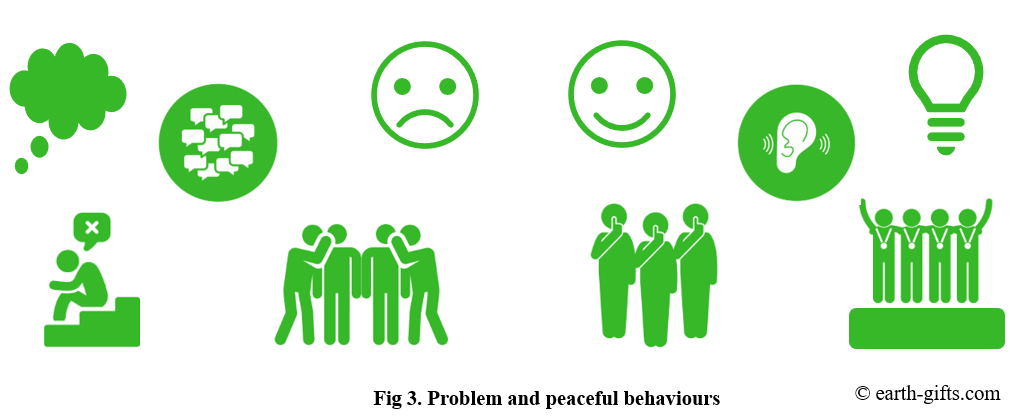
Recognise any of these behaviours in your friends?
I certainly do in mine.
Both can be challenging and out of balance.
So how do we deal with these behaviours?
Consider if your friends’ behaviours are more of the problem or peaceful kind.
Be honest with what these are too.
This is just for you to notice.
Because for this to be about friendship, we need to remember the ‘ship’ part.
The connection between people.
And you’ll know whether you feel more or less connected to them.
That feeling, is what you use to discern and decide how to react or respond.
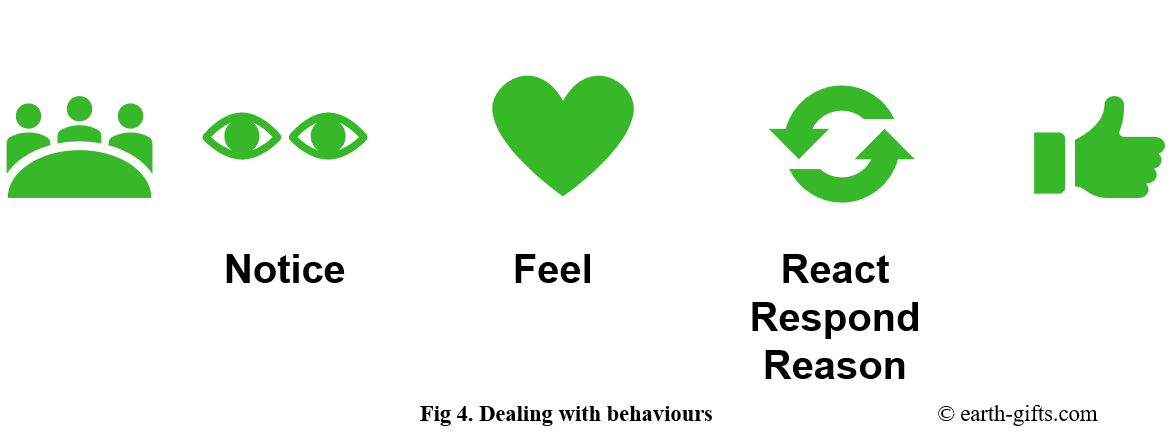
Now, I don’t know about you but, when I consider behaviours that I’ve noticed in my friendships over many years, it makes me realise that I misunderstood what I expected friendships to be.
For me, it’s the more peaceful kind.
And two of my ‘things’ are trust and vulnerability.
Not things I do easily, when behaviours or circumstances don’t feel safe and are overwhelming for me.
And it probably sounds weird but I feel connected with both my problem and peaceful behaving friends.
Because I understand enough about the unconscious reasons for their behaviours.
The connections are just different.
And can’t be forced.
So let’s lighten this energy up by considering our options.
To get back in balance, we can remember our presuppositions:
· People aren’t their behaviour
· It’s better to have more choices and
· When you point 1 finger at others, 3 fingers are pointing back at you.
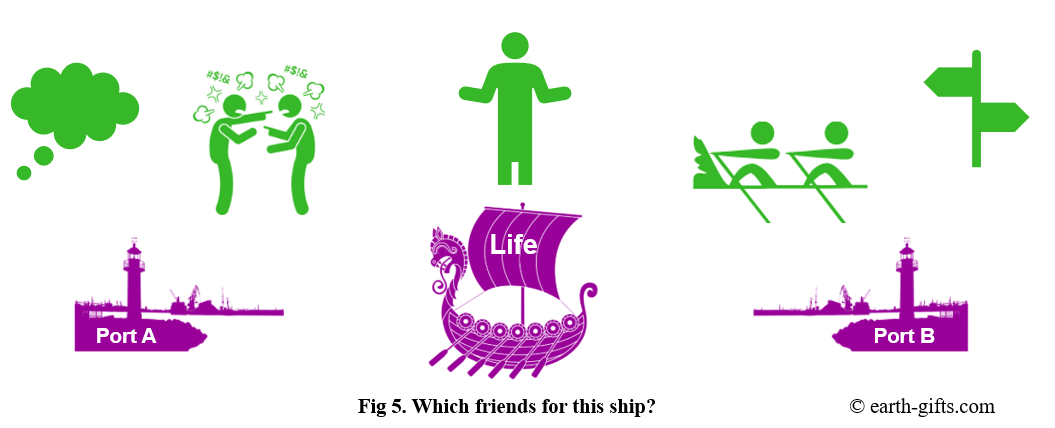
Now, imagine if you were in one of these game shows.
You know, the one’s where you need to complete a team challenge.
The challenge is to cross unpredictable waters, in a heavy storm, in this ship.
But this isn’t some latest technology, cruise from port to port kinda ship.
No. This is some old school row your boat, sink, sail or swim kinda ship.
And you have to choose the fleet.
Based on the behaviours we’ve considered here, which friends would you choose to have in this fleet with you?
Your choice determines whether you all sink, sail or swim.
Problem behaving friends could have you at port, going nowhere. Just rowing.
Peaceful behaving friends could have you leaving port. Just rowing.
And when you think of it like that, what’s friendship to you?

Like our vibe? Subscribe to our tribe.
Receive updates and our FREE Wellbeing Guide!
We won't share your information with anyone.