
Get our FREE
Wellbeing Guide!
What's an intimate relationship to you?
Listen or read.
Illustrations included below.
You arrive on your life’s journey, at your third relationship milestone of what the ‘Book of Life’ tells us each should be. And what should happen at each one.
The milestone we’re looking at here, is intimate relationships.
So, what’s an intimate relationship to you?
This question has been inspired by intimate relationships, including situationships, whether shaky or stable.
So, share our glasses and take a seat for a moment, if you’re not already sitting.
Because what I’m about to share might make you feel uncomfortable.
Know this is not the intention. Simply a space for reasoning and reflection ok.
Now. Consider these presuppositions in Neuro Linguistic Programming or NLP for short. This translates to ‘brain language programming’.
Because our brains have been programmed since birth, whether we like it or not. And presuppositions help keep us grounded.
So let’s remember some.
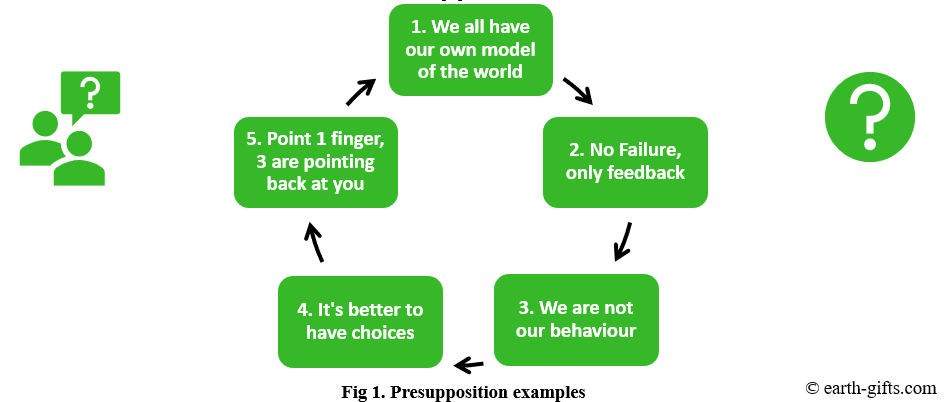
We all have our own model of the world
Based on nature or nurture, we create an internal model to navigate and interpret our way through the world. Let’s remember and respect that, even when we don’t agree with someone else’s model.
2. No Failure, only feedback
Feeling like we’ve ‘failed’ hurts! And if we re assess the situation after the hurt, there’s always a different perspective, giving feedback on how we can do something different next time. If we choose to.
3. We are not our behaviour
Behaving a certain way, in a given situation doesn’t make us that particular behaviour. And when we separate a person from their behaviour, it helps us cut each other some slack. Goodness knows we need it!
4. It's better to have choices
We always have a choice. Do what we’ve always done, and get what we’ve always got. Or make a different choice, for a different result. This helps us make decisions and gives us freedom of movement.
5. When you point 1 finger at others, 3 are pointing back at you
This is more a reminder to notice when we’re pointing a finger and blaming others. If you can, be honest when considering those 3 fingers. Because focusing on your Self, is more within your control, than focusing on controlling others.
Now about this milestone.
We’re taught to seek ‘the one’, and follow the models we’ve seen growing up, through our families, society and media. Trouble is, we only see the outside.
The inside is different.
And the common phases in relationship cycles go something like this:
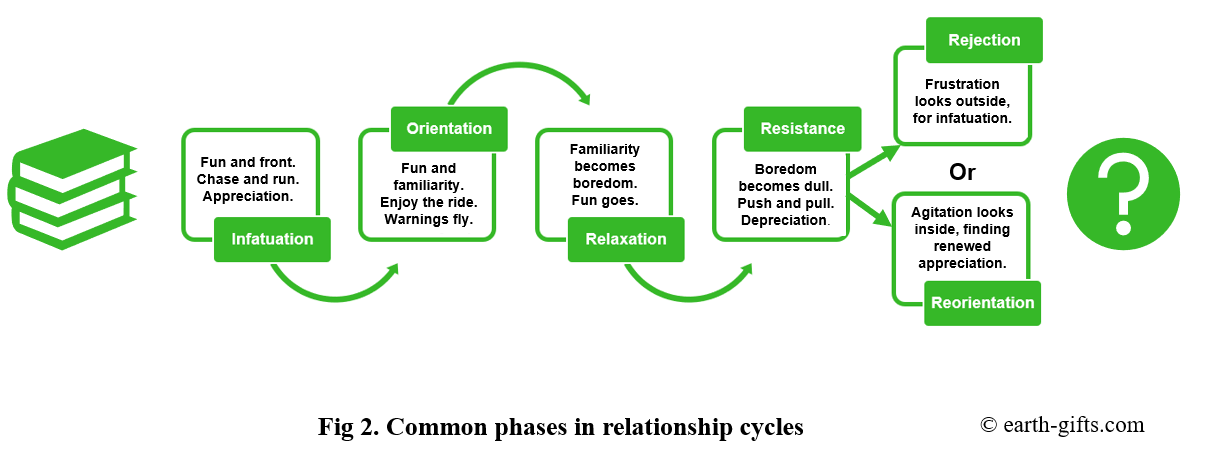
First, Infatuation – Involving, fun and front. We chase and run, make an effort and appreciate the relationships value.
Next, Orientation – Involving, fun and familiarity. We enjoy the ride, letting warning flags fly.
Next, Relaxation – Familiarity becomes boredom. Because the fun goes.
Next, Resistance – Boredom becomes agitation. We push and pull, make less effort and depreciate the relationships value.
Then 1 of 2 things happen:
Rejection – Agitation turns into frustration. We look outside of the relationship for infatuation again.
Or.
Reorientation – Agitation becomes acceptance. We look deeper inside the relationship for orientation again. Finding renewed appreciation.
What’s up with this cycle?
It’s unhealthy and healthy traits.
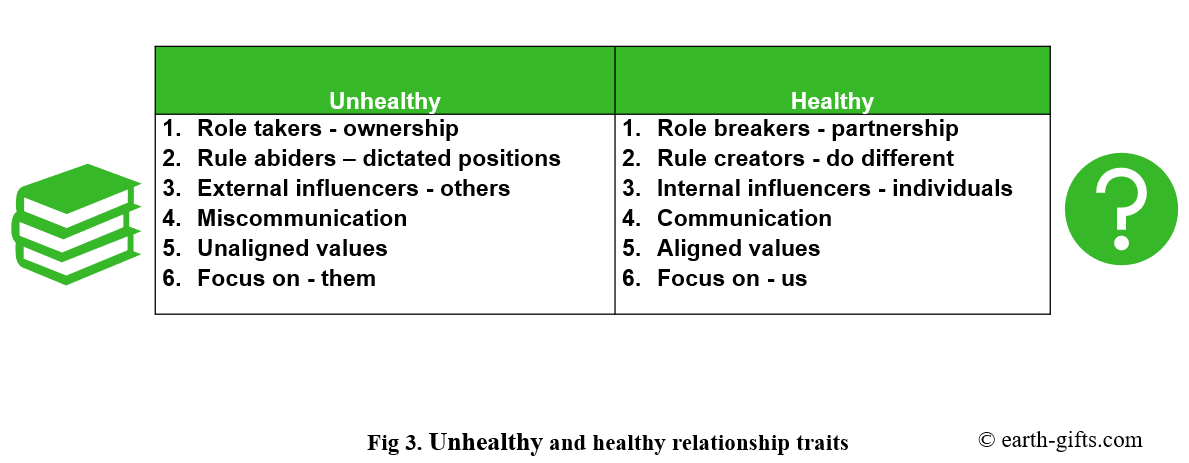
With unhealthy traits; we become role takers, assuming ownership of each other, abiding by rules and dictated positions.
We allow external influencers in. From family, frienemies and others having a disagreeable say. Giving them a chance to sabotage the relationship.
Which adds to miscommunication, and the realization of unaligned values. Our focus is on them and what they’re doing.
The main intimacy is physical, not mental and emotional.
With healthy traits; we become role breakers, assuming partnership with each other, creating new rules and doing things different.
We allow internal influence in. From each other as individuals, having an agreeable say. Giving ourselves a chance to gradually know and experience the relationship.
Which leads to better communication, and the realization of aligned values. Our focus is on us and what we’re doing.
The main intimacy is physical, mental and emotional.
Recognise any of these things in your intimate relationships?
I have in mine.
How do we deal with them?
Well. My main relationship was text book. Anyone outside it, and even us inside it, perceived it as healthy.
Neither of us had enough healthy relationships to copy, from our environments, so we freestyled it.
It’s only when I admitted the roles, rules and expectations weren’t working for me, or us, did I discover I had codependent ‘love addiction’, behaviours.
Wait. I was part of the problem?
How dare honesty be so honest!
That’s when I consciously and actively started my recovery.
Then I was able to continue my growth. But alone.
To be fair, we did good considering. Lasting 24 years and having 3 awesome children!
Intimate relationships since then, had similar unhealthy patterns though. Easier to notice. And easier to release.
Understandably, releasing relationships hurts.
But when you know you deserve better, you get better at not settling for less.
So, hand on heart, own your part and release for relief.
Because healthy relationships only work when all concerned want them to.
These things can’t be forced.
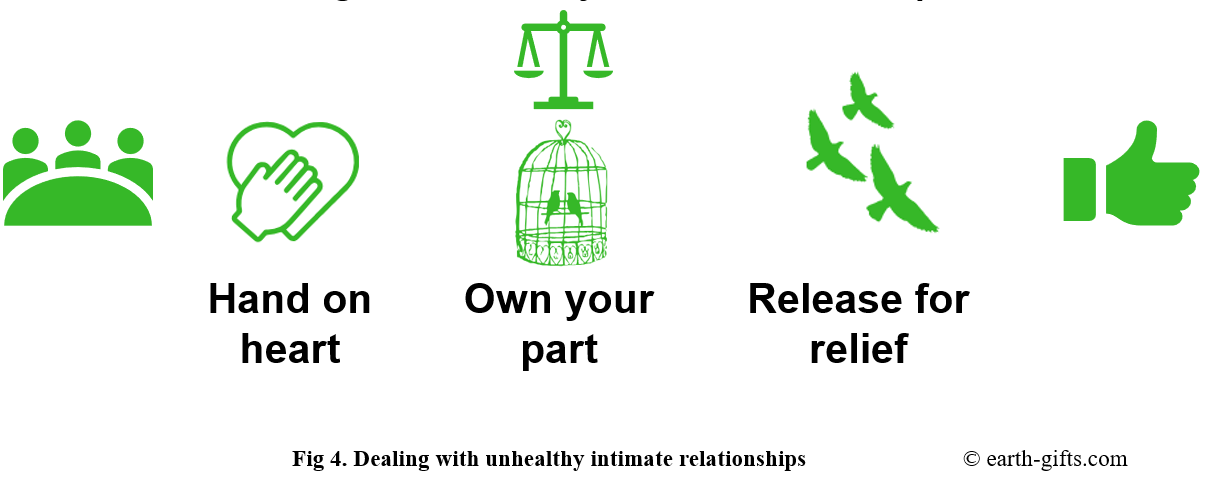
Unhealthy relationships keep us out of balance.
To get back in balance, we can remember our presuppositions:
· People aren’t their behaviour
· It’s better to have more choices and
· When you point 1 finger at others, 3 fingers are pointing back at you.
If you’re satisfied with your intimate relationships, do nothing.
If you’re not satisfied with your intimate relationships, do something.
Instead of being addicted to the highs and lows of running these relationship sprints, that are really marathons you haven’t trained for, how about pacing yourself?
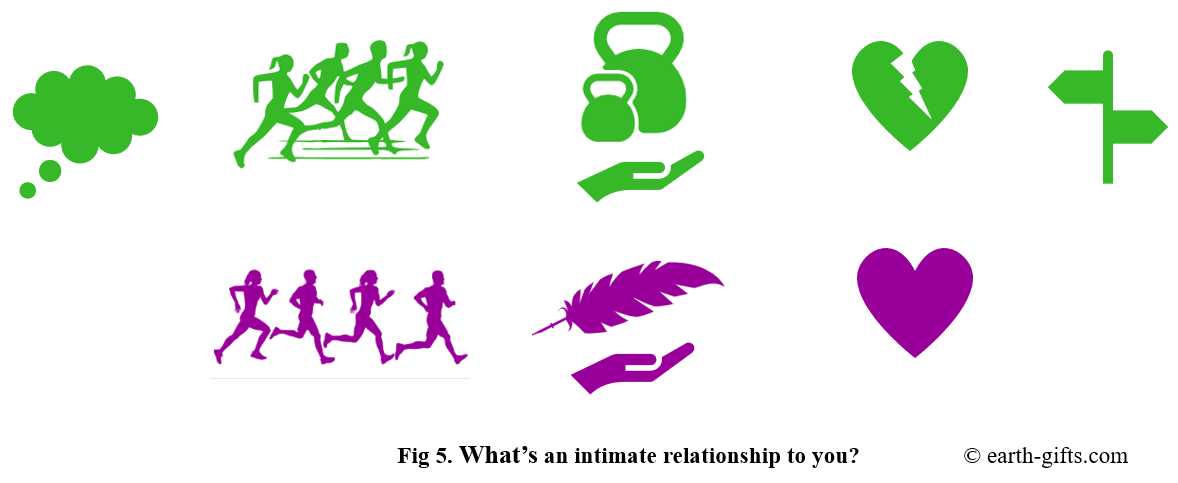
Then, your intimate relationships go from feeling like a blessing instead of a burden. Because unhealthy is physically, mentally and emotionally draining.
And it’s only possible to be in a healthy intimate relationship with others, when you are in one with your Self.
Then, you won’t fear and run from healthy because you recognise it.
So, when you consider the wonderings we’ve shared here, ideally, what’s an intimate relationship to you?

Like our vibe? Subscribe to our tribe.
Receive updates and our FREE Wellbeing Guide!
We won't share your information with anyone.